
How to Manage Multiple Delivery Riders in Nigeria
6 August 2026 · 6 min read
Managing multiple delivery riders in Nigeria is one of the most demanding parts of running a merchant or fulfillment operation. When orders arrive through WhatsApp and riders are dispatched on the fly, you quickly lose track of who has which order, when it will arrive, and whether the right person received it. This guide gives you a structured playbook to manage multiple delivery riders in Nigeria—covering hiring, daily standups, KPIs, payout cadence, theft prevention, and assignment strategies—so you can move from daily chaos to a repeatable workflow.

1. Start with a Clear Hiring and Onboarding Process
Before you can manage multiple riders, you need a consistent way to bring them on board. In Lagos, Ibadan, or Abuja, rider turnover is high, so a structured process saves you from constant rehiring. Begin with a simple application form that captures their full name, phone number, guarantor's contact, and a photocopy of their national ID or driver's license. Verify their motorcycle or bike documents—especially the rider's permit and insurance—and ask for a reference from a previous employer or a reputable rider union. A practical checklist for onboarding includes:
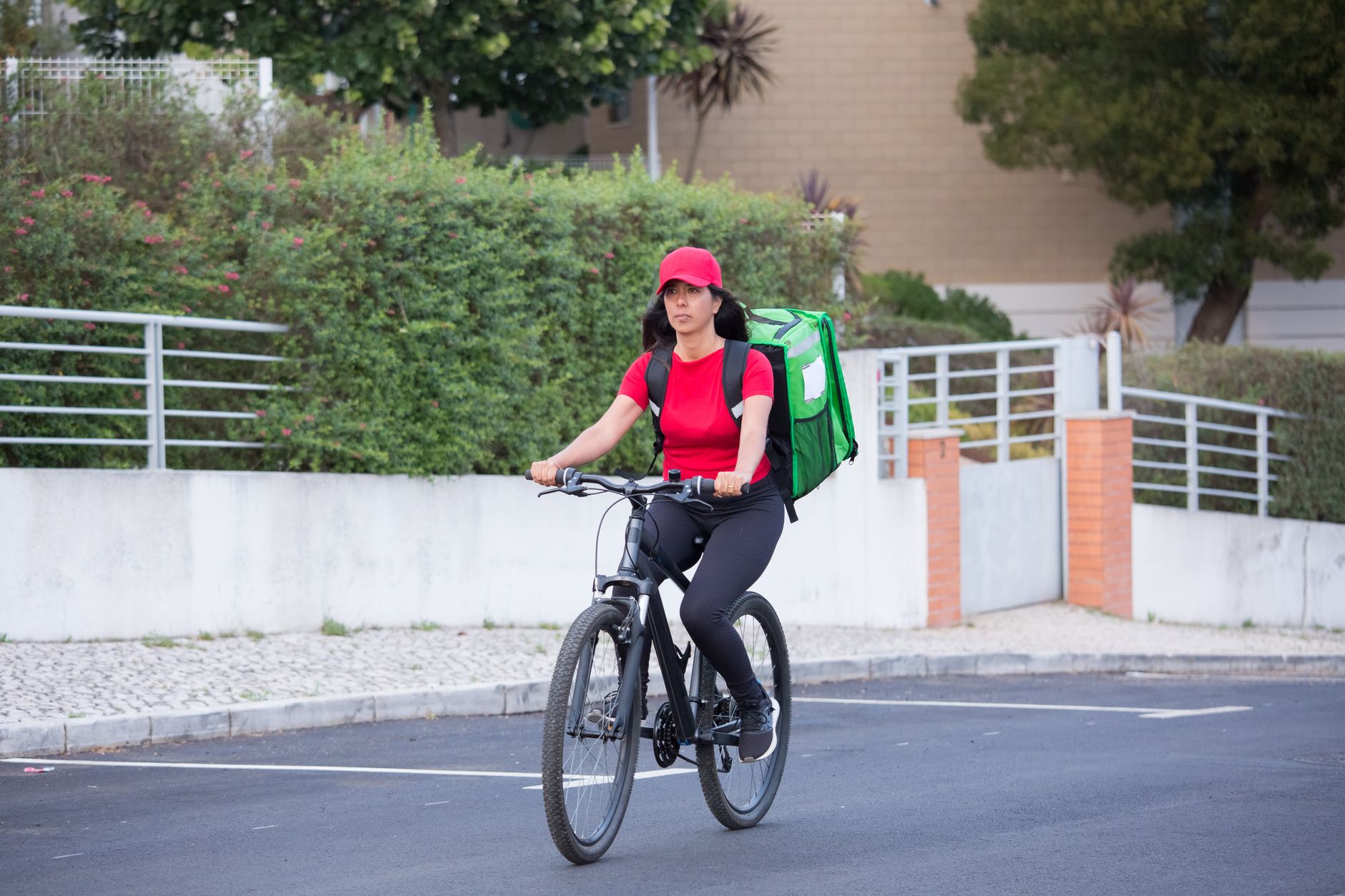
- Confirm the rider owns or has access to a reliable motorcycle or bicycle suitable for your delivery area.
- Collect a passport photograph and a clear copy of their ID.
- Have them sign a code of conduct that covers dress code, phone usage, and customer interaction.
- Provide a short orientation on your order flow, including how to use the delivery PIN system.
- Set a trial period—typically two weeks—to assess their reliability before full engagement.
By standardizing this, you reduce the risk of hiring riders who disappear with goods or mishandle deliveries.
2. Run a Daily Standup to Assign and Align
A daily standup—even a 10-minute WhatsApp voice note or a quick meeting at your fulfillment center—keeps everyone aligned. In the standup, you review yesterday's deliveries, highlight any missed or delayed orders, and assign today's routes. For example, if you operate from a fulfillment center in Ikeja, you might assign riders to zones like Yaba, Surulere, or Victoria Island based on order volume. The standup is also the time to communicate special instructions, such as fragile items or cash-on-delivery (COD) handling. Use a simple roster or spreadsheet to track assignments, but consider a coordination system that records each rider's tasks and updates statuses in real time. This prevents the common problem of two riders being sent to the same address or a rider taking an order meant for another zone.
3. Track the KPIs That Actually Matter
To manage multiple delivery riders effectively, you need measurable performance indicators. The two most critical are deliveries per day and on-time rate. Set a realistic baseline—for example, a rider in a dense area like Lagos Island might handle 15–20 deliveries daily, while a rider in a spread-out area like Ibadan might do 8–12. On-time rate is the percentage of orders delivered within the promised window, such as 60 minutes for same-day deliveries. Track these daily and review weekly. Other useful KPIs include:

- Customer complaints per rider (e.g., rude behavior, wrong address).
- Proof-of-delivery completion (did the rider confirm with the PIN?).
- Returns or failed deliveries (e.g., customer not available).
- Fuel or maintenance costs per rider, if you provide bikes.
Use a simple dashboard or spreadsheet to record these numbers. When you spot a rider consistently below target, address it in the next standup or retrain them. Conversely, recognize top performers—this boosts morale and reduces turnover.
4. Set a Clear Payout Cadence and Incentives
Riders in Nigeria often work on commission or a fixed daily rate, but the key is to pay consistently and transparently. Decide on a payout cadence—daily, weekly, or biweekly—and stick to it. For example, many operators pay riders a daily base plus a per-delivery commission, settled every evening or every Friday. Make sure you have a record of every delivery each rider completed, so there's no dispute over pay. Consider offering small incentives for hitting targets, such as a bonus for a rider who maintains a 95% on-time rate for a week. This encourages careful work without inflating your costs. Avoid vague promises like "we'll sort you out at the end of the month"—clear terms build trust and reduce the temptation for riders to take unofficial payments from customers.
5. Prevent Theft and Loss with a PIN-Based Proof System
Theft and loss are real risks when managing multiple riders. The most effective way to protect your goods is to use a proof-of-delivery system that doesn't rely on signatures, which can be forged. Instead, use an order number plus a 6-digit delivery PIN. Here's how it works: the business shares the order number and PIN with the customer—via SMS or WhatsApp—and the customer can track the delivery on the track order page. When the rider arrives, they ask the customer for the PIN. The rider enters it into the app to confirm the right recipient before marking the order delivered. This creates a shared status trail: the merchant, the fulfillment center, the rider, and the customer all see the same confirmation. If a rider claims a delivery was made but the customer says they never received it, the PIN record resolves the dispute instantly. This system also reduces the chance of a rider delivering to the wrong person or pocketing goods.
6. Assign Riders Strategically and Use a Coordination System
How you assign orders to riders affects both speed and cost. Instead of sending the first available rider, use a zone-based or load-balancing approach. If you have a fulfillment center in Surulere, you might assign a rider to cover the mainland (e.g., Yaba, Mushin) and another to the island (e.g., Lekki, Ajah). Consider the rider's current load—don't overload one rider while another sits idle. A coordination system can help you see which riders are available and their current tasks, so you can assign the next order to the rider closest to the pickup point or with the lightest load. For example, if you have three riders and two orders going to Ikeja, assign both to the same rider to save time and fuel. Avoid assigning a rider to an area they don't know well, as that leads to delays and missed deliveries.
Managing multiple delivery riders becomes far easier when you use a fulfillment coordination system rather than relying on WhatsApp threads and manual logs. A system like Relay brings order intake, inventory at the fulfillment center, FC acceptance, FC-controlled rider assignment, customer tracking, delivery PIN confirmation, optional COD records, and proof of delivery into one flow. Merchants create or import orders and monitor progress; fulfillment centers accept and prepare orders, then choose and assign riders; riders deliver and collect confirmation evidence; customers track with the order number and PIN. This eliminates the back-and-forth of "where is my rider?" and gives everyone a single source of truth. When you compare the cost of a few lost or disputed deliveries against the price of a coordination tool, the investment often pays for itself.
Bottom Line
Managing multiple delivery riders in Nigeria doesn't have to be chaotic. By hiring carefully, running daily standups, tracking KPIs, paying on a clear cadence, preventing theft with PIN-based proof, assigning strategically, and using a coordination system, you can turn your delivery operation into a reliable part of your business. Start with one change this week—perhaps the PIN system—and build from there.
Topicsdelivery riders · Nigeria · logistics · fulfillment · rider management


