
Best Delivery App for Small Business in Nigeria: 2 Paths
4 May 2026 · 5 min read
If you run a small business in Nigeria and you're searching for the best delivery app for small business in Nigeria, you've likely seen lists of courier services like Gokada, Kwik, or GIG Logistics. But the real decision isn't which courier to use — it's whether to handle delivery yourself per-order or to partner with a fulfillment center (FC) that manages everything for you. This article compares both paths so you can choose based on your order volume, geography, and how much cash handling you want to manage.

Path 1: Self-fulfill per-order with couriers
Many small businesses start by coordinating their own deliveries. When a customer orders, you pick the item from your shop or home, pack it, call a courier like Gokada or Kwik, pay the per-drop fee, and hand over the package. The courier picks it up from your location and delivers to the customer. You also handle cash-on-delivery (COD): you collect the cash from the customer yourself if you use a courier that doesn't collect on your behalf, or you wait for the courier to remit the funds. This path gives you full control but demands time and attention. You have to be available for every pickup, track each dispatch, and reconcile cash at the end of the day. If you sell across multiple zones in Lagos or other cities, you may need to coordinate with different couriers for different areas. As your order volume grows, the time spent on logistics can eat into your profit. Ask other merchants in your area about average courier fees and reliability, then compare quotes from at least three couriers before committing to one.
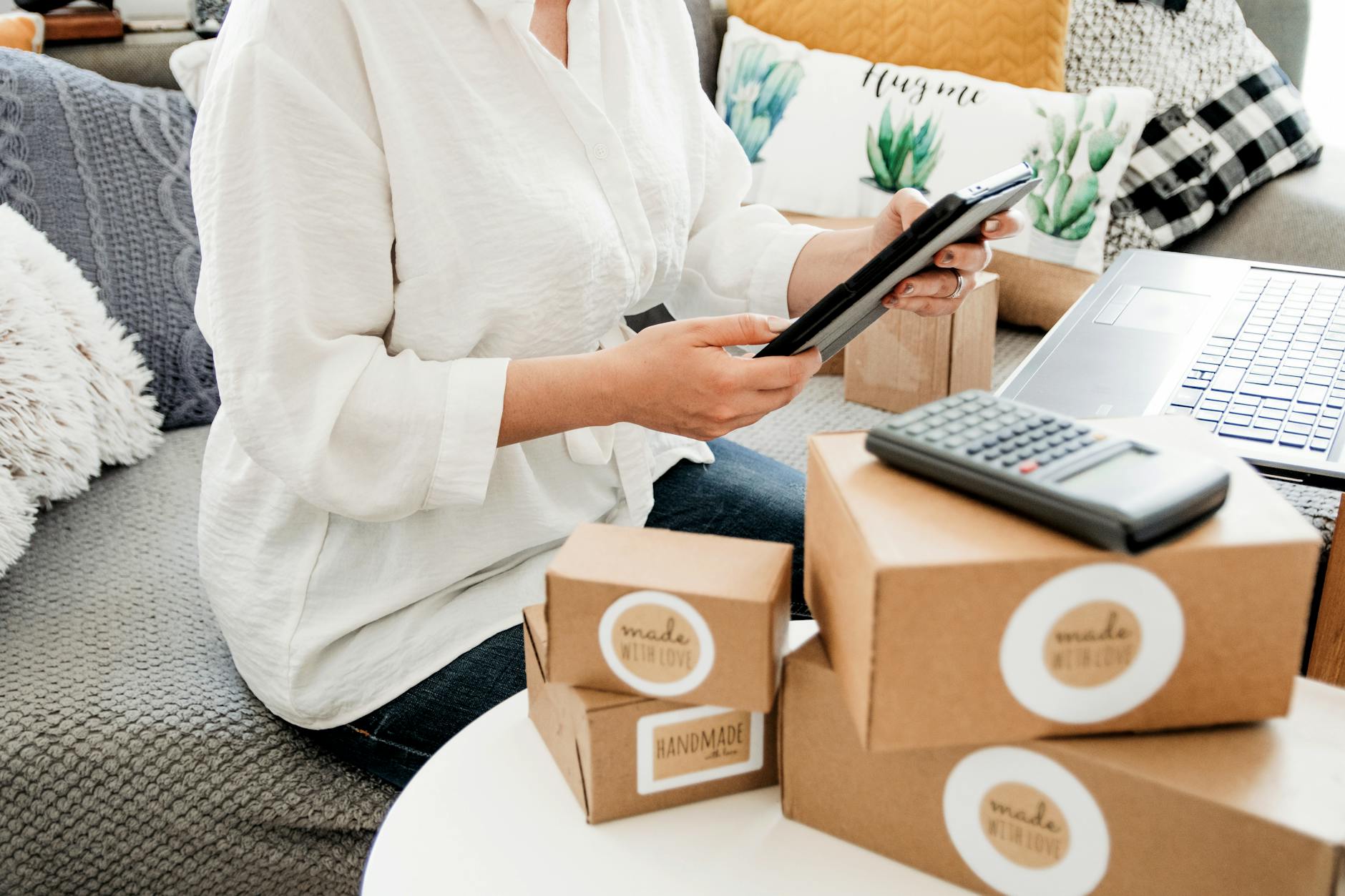
Path 2: Pre-position stock at a fulfillment center
The alternative is to partner with a fulfillment center (FC) that uses a coordination platform like Relay. Here’s how it works: you send your products to the FC’s warehouse in advance. The FC stores your inventory at their facility. When an order comes in — via WhatsApp, manual entry, or your online store — you paste it into the merchant app, and the FC picks, packs, and dispatches from their own shelves using their own riders. The rider’s journey is always FC warehouse → customer — there is no pickup from your location. The FC handles COD collection at the door, records the amount in the system, and remits it to you. Ask the FC to explain how it charges for storage, pick-and-pack, delivery handling, COD remittance, and returns before you send stock. Compare those terms with what you currently spend in time, rider calls, courier coordination, and failed delivery follow-up. This model frees you from being present for every order and reduces cash handling risks.
How the FC model works in practice
The FC needs a coordination layer for warehouse stock, riders, merchant orders, and customer updates. Relay is one example of that layer. It is not a courier; it is what the FC uses to keep each handoff visible.
- Multi-FC routing: If you pre-position stock at more than one FC, orders automatically route to the FC with inventory closest to the customer. This speeds up delivery and reduces costs.
- Workload-based rider assignment: When an order is ready, the FC’s dispatcher assigns it to the rider with the lowest current load, not first-come or round-robin. This keeps delivery times consistent.
- WhatsApp paste-to-parse order intake: Copy a customer's WhatsApp message and paste it into the merchant app. The system automatically extracts the customer name, address, and items ordered — no manual typing.
- Offline-first rider mode: Riders in areas with poor network coverage can queue orders on their phone and sync when a connection returns.
- Photo + delivery-notes proof of delivery: Riders capture a photo and add notes at handoff (no signature). The merchant and customer can track the status in real time via a PIN-based tracking page.
These features are built for Nigerian realities: network instability, cash-based transactions, and the need for fast, reliable delivery without the merchant having to manage a warehouse or riders. The FC dashboard gives the center operator a single view of all merchant inventory, rider workloads, and daily COD totals. Merchants see only their own orders and inventory levels through the merchant app.
Which path is right for your business?
Your choice depends on three factors:
- Order volume: If you handle fewer than 10 orders per week, self-fulfilling with couriers might work. But as volume grows, the time spent coordinating pickups, packing, and chasing couriers eats into profits. Pre-positioning stock at an FC lets you scale without hiring a dedicated logistics person.
- Geography: If your customers are spread across multiple cities, an FC network can cover them from local warehouses. For example, an FC in Lagos, another in Abuja, and one in Port Harcourt allows you to offer same-day or next-day delivery in all three cities — something couriers can do but with higher per-drop fees and more manual coordination.
- Cash-handling exposure: Self-fulfilling means you or your customers handle cash directly. COD requires security and reconciliation. With an FC, cash is collected by the rider, recorded in the platform, and remitted to you (the FC operator reconciles the daily total). This reduces your exposure to theft and errors.
Neither path is universally better. The key is matching your business model to the right operational setup. If you value control and have low order volume, couriers can work. If you want to free up time and scale, partnering with an FC is the smarter move.
Getting started with the FC model
If you decide to pre-position stock at an FC, first use Relay's fulfillment-center directory to find a fulfillment center near you, then ask practical questions before sending inventory: which areas do they cover, how do they handle failed deliveries, how often do they remit COD, what happens when stock runs low, and how do they record proof of delivery? Once you choose one, use the merchant app to send inventory, receive orders, and track deliveries. Keep your own product list clean so the FC can pick accurately, and review your first few orders closely before increasing volume.
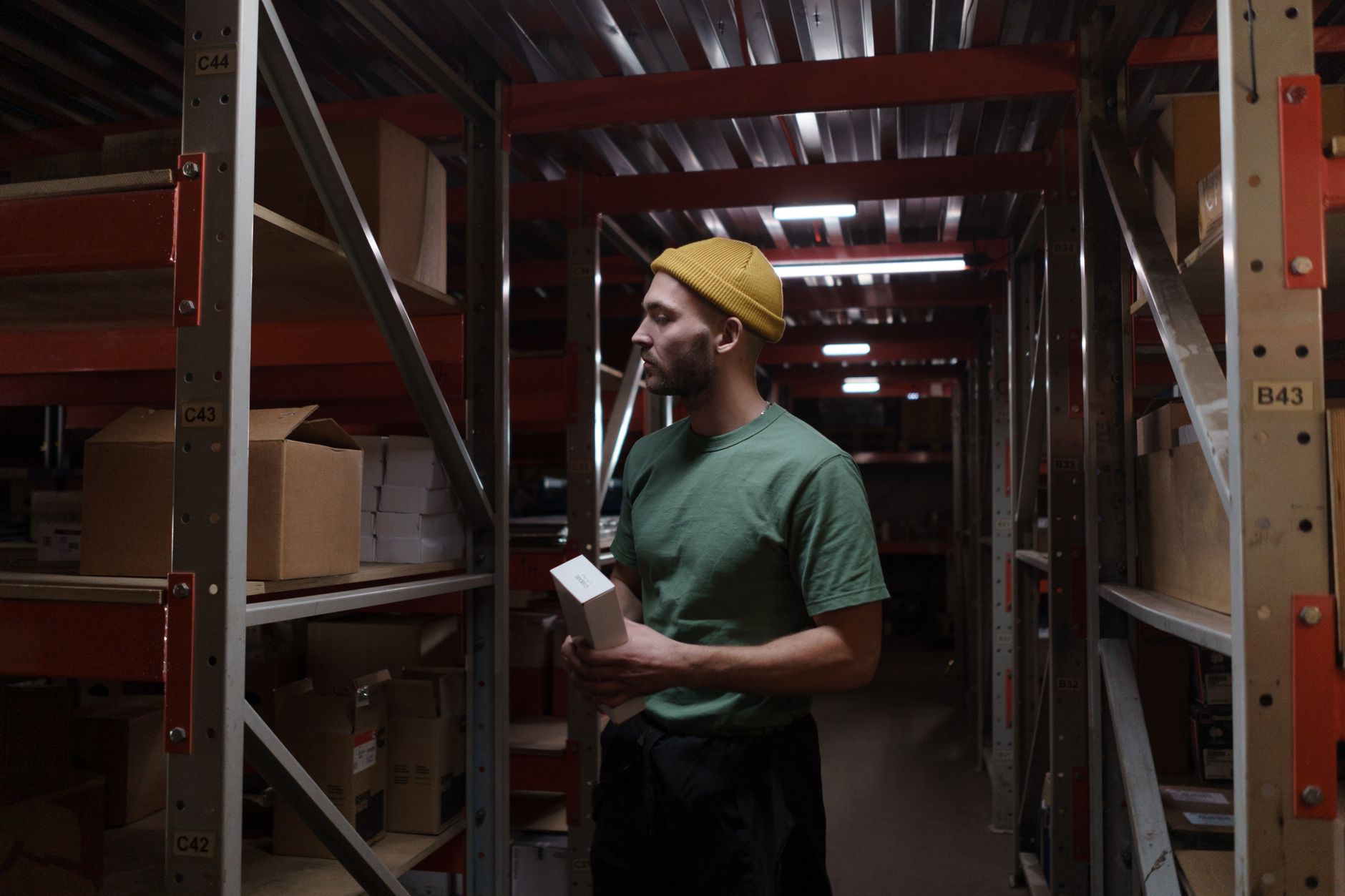
Bottom line: The best delivery app for small business in Nigeria isn't a courier — it's the decision to outsource fulfillment to a partner that handles storage, packing, dispatch, and cash collection. If you're growing beyond a few orders a week, pre-positioning stock at an FC using a coordination platform saves time, reduces cash risk, and lets you focus on sales.
Topicsdelivery app · small business Nigeria · fulfillment center · last-mile delivery · ecommerce logistics


